How Long Do Vehicle Wraps Last in South Florida

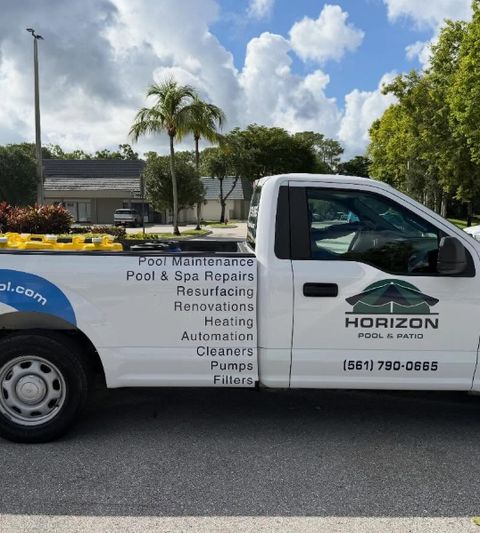
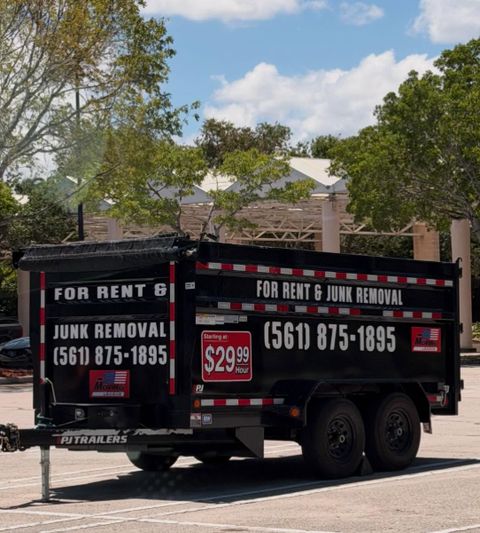
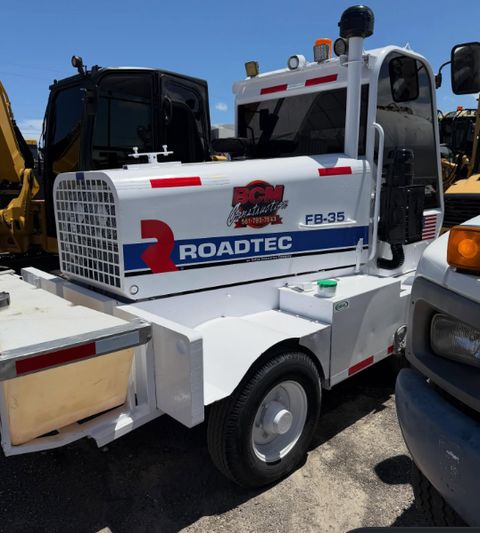
If you park your wrapped work truck or delivery van anywhere in South Florida, you already know the environment does not play nice with surfaces. The combination of relentless UV radiation, salt-laden coastal air, punishing summer heat, and seasonal storm debris creates one of the most demanding climates for vehicle graphics in the entire country. So when business owners in West Palm Beach, Boca Raton, and the surrounding Palm Beach County area ask how long do vehicle wraps last down here, the honest answer is: it depends heavily on the materials used, the quality of the installation, and how well the wrap is maintained. This guide breaks down everything you need to know about wrap lifespan in South Florida’s unique conditions so you can make a smart investment decision for your commercial fleet.

Why South Florida Is One of the Toughest Climates for Vehicle Wraps

Understanding wrap durability starts with understanding your environment. South Florida is not a typical wrap market. The conditions here accelerate the aging process of virtually every exterior surface, and vehicle wraps are no exception. Before comparing material options or maintenance schedules, it helps to know exactly what your wrap is fighting every single day on the roads of Palm Beach County.

Intense UV Radiation Year-Round

South Florida sits at a latitude where the sun angle is high for most of the year, and with minimal cloud cover during the dry season, UV index values regularly reach the extreme range. UV radiation is the single biggest enemy of vinyl films and printed inks. Over time, prolonged UV exposure breaks down the polymer chains in the vinyl itself, causing the film to become brittle, lose flexibility, and eventually crack. Print inks fade and shift in color, turning a vibrant brand graphic into a washed-out version of itself. In northern states, wraps may enjoy long winters that essentially give the film a break. In West Palm Beach, there is no such reprieve.

Salt Air Corrosion Along the Coast

Palm Beach County’s proximity to the Atlantic Ocean means that salt particles are present in the air almost constantly. Salt air is corrosive not just to metal but also to adhesives and vinyl films. When microscopic salt crystals work their way under the edges of a wrap at seams or around panel edges, they accelerate lifting and delamination. A wrap that might stay perfectly sealed for years in a dry inland climate can begin to show edge lifting within months in a coastal environment if the installation was not executed with the right materials and precision technique.

Summer Heat and Thermal Cycling

Temperatures in South Florida regularly push into the mid-90s Fahrenheit during summer months, and a vehicle parked in direct sunlight can reach surface temperatures well above 150 degrees on the hood or roof. This intense heat causes the vinyl to expand significantly. When temperatures drop at night, the material contracts. This daily cycle of thermal expansion and contraction stresses both the film and the adhesive bond, particularly around edges, curves, and complex contours. Lower-quality vinyl films simply are not formulated to handle this kind of repeated thermal stress without degrading over time.

Hurricane Season Debris and Storm Exposure

From June through November, South Florida vehicles face an additional hazard: wind-driven debris, heavy rain, and the potential for direct storm impacts. Small rocks, sand, and organic debris propelled by strong gusts create micro-abrasions on wrap surfaces. Prolonged exposure to standing water after a storm can also compromise edges and seams if they were not properly sealed during installation. While a well-installed wrap provides a layer of protection to the paint beneath, the wrap’s own exterior surface does accumulate damage from storm season that shortens its overall lifespan if not properly addressed afterward.

How Long Do Vehicle Wraps Last: Premium Cast Vinyl vs. Calendered Vinyl

Not all vinyl wrap films are created equal, and the difference in material quality has a dramatic impact on how long a wrap holds up in a climate like South Florida’s. There are two primary categories of vinyl used in the wrapping industry, and choosing between them is the single most important decision affecting longevity.

Premium Cast Vinyl: The Commercial Standard

Cast vinyl is manufactured using a more complex process in which liquid PVC is cast onto a moving belt and then cured. The result is a film with exceptional conformability, dimensional stability, and resistance to environmental stress. In typical South Florida conditions, a commercial wrap using premium cast vinyl with a protective laminate layer has a realistic lifespan of five to seven years when properly installed and maintained.

Cast vinyl is thinner and more flexible than its counterpart, which means it conforms better to the complex curves, recesses, and riveted surfaces found on commercial vans, box trucks, and fleet vehicles. That superior conformability is not just an installation convenience. It directly translates to longer-lasting adhesion because the film is under less internal stress when it is lying flat against a complex panel shape.

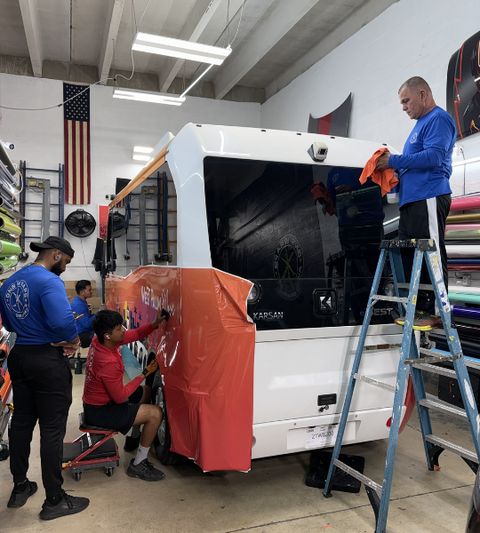
At GNS Wraps, cast vinyl is the standard for all commercial fleet work. When combined with a quality overlaminate film, cast vinyl resists UV degradation, repels moisture more effectively, and holds color fidelity far longer than budget alternatives. The laminate layer also adds a sacrificial surface that absorbs scratches and abrasion, protecting the printed ink layer beneath.

Calendered Vinyl: Lower Cost, Shorter Life

Calendered vinyl is produced by pressing PVC material through a series of rollers. The process is faster and less expensive, which makes calendered films attractive for short-term applications or projects with tight budgets. However, calendered vinyl typically lasts only two to three years under South Florida conditions before showing significant signs of degradation.

Calendered films are thicker and have more inherent memory, meaning they want to return to their flat, rolled shape. On a vehicle with any surface complexity, this internal tension fights against the adhesive bond constantly. In a high-UV, high-heat environment, that tension accelerates lifting, bubbling, and edge failure. For a commercial fleet where the wrap is also a rolling advertisement for your brand, a wrap that looks tired and peeling after two years is doing more damage to your image than good.

Maintenance Practices That Extend Wrap Life in South Florida

Even the highest-quality cast vinyl wrap will age prematurely if it is not properly cared for. The good news is that a consistent, straightforward maintenance routine can significantly extend the life of your commercial wrap investment.

Hand Washing on a Regular Schedule

Commercial vehicles in South Florida accumulate road grime, salt deposits, insect residue, and industrial fallout quickly. A regular hand wash schedule is one of the most effective ways to protect your wrap. Washing with a mild, pH-neutral soap and a soft microfiber mitt removes corrosive salt deposits and contaminants before they have time to degrade the film or work their way under edges. A general guideline is to wash every one to two weeks for vehicles operating in coastal areas.

Avoid Automatic Car Washes

Tunnel car washes with rotating brushes are harmful to vehicle wraps regardless of material quality. The aggressive brushes create micro-scratches on the laminate surface, wear down the edges of the film, and can catch and lift seams. Touchless automatic washes are less damaging but still use high-pressure water jets and harsh chemical detergents that are not formulated with vinyl films in mind. Hand washing is always the preferred method.

Park in Shade When Possible

Given the UV intensity in South Florida, covered or shaded parking makes a measurable difference in how quickly a wrap ages. If your fleet vehicles can be parked in a garage, under a canopy, or even in the shade of a building during the hottest midday hours, the cumulative reduction in UV exposure over weeks and months adds up. This is not always practical for working fleet vehicles, but even occasional shaded parking extends material life.

Inspect and Repair Lifted Edges Promptly

Small edge lifts and minor seam separations are a normal part of vehicle wrap aging, especially in a demanding climate. The critical mistake is ignoring them. A small lifted edge in a coastal environment gives salt air, moisture, and debris a direct pathway under the film. What starts as a one-inch lift can become a peeling section across an entire panel within weeks. Prompt repair by an experienced installer, using the appropriate adhesive and heat tools, stops the damage before it spreads and preserves the remaining life of the wrap.

Warning Signs That Your Commercial Wrap Is Failing

Knowing when a wrap is approaching the end of its useful life helps you plan a re-wrap before the appearance of your vehicles becomes a liability for your brand image.

Lifting Edges and Bubbling

Visible edge lifting along panel seams, door handles, or trim pieces is a clear early warning sign. Bubbles that appear beneath the film surface indicate adhesive failure and are difficult to reverse without professional intervention.

Color Shift and Fading

A noticeable change in color, particularly a shift toward a chalky or yellowed tone, signals that UV degradation has penetrated the laminate and is affecting the ink layer. Once color shift becomes visible from a normal viewing distance, the graphic quality of the wrap is compromised.

Micro-Cracking in the Film

Fine surface cracks that form a network of lines across the vinyl surface indicate that the film has become brittle from prolonged UV and thermal cycling. At this stage, the wrap is no longer protecting the paint beneath and will continue to deteriorate rapidly.

Planning Your Re-Wrap: Timing Is Everything

For commercial fleet operators, timing a re-wrap strategically avoids the gap between a wrap that looks professional and one that looks neglected. With premium cast vinyl in South Florida conditions, a proactive re-wrap evaluation at the four-to-five-year mark makes sense. This gives you time to plan the budget and schedule installation without rushing or allowing the existing wrap to reach a state of visible failure.

Vehicles that accumulate high mileage, spend more time in direct coastal environments, or are washed less frequently may warrant an earlier evaluation. Working with an experienced local installer who understands South Florida’s specific material challenges makes the re-wrap process far more efficient.

Frequently Asked Questions About Vehicle Wrap Lifespan in South Florida

Does the color of a wrap affect how long it lasts?

Darker colors absorb more heat than lighter colors, which can accelerate thermal stress on the film. White and light-colored wraps tend to show slightly longer material life in high-heat climates. However, with quality cast vinyl and laminate, the difference is minor compared to the impact of overall material quality and installation technique.

Can I wax my wrapped vehicle?

Standard wax products contain solvents and abrasives that are not suitable for vinyl wrap surfaces. There are wrap-specific spray detailers and protectants available that are safe to use and can add a modest layer of UV protection. Ask your installer for product recommendations appropriate for your specific wrap finish.

Does wrap damage affect the paint underneath?

A properly installed wrap on paint that was in good condition at installation acts as a protective barrier. When a wrap is removed professionally, the paint underneath is typically in the same or better condition than surrounding exposed areas. However, waiting until a wrap is severely degraded and cracking before removal can make the process more difficult and potentially affect the paint.

Protect Your Investment With the Right Partner

When you understand how long vehicle wraps last in South Florida’s UV-intense, salt-air coastal environment, the conclusion is clear: material quality, installation expertise, and ongoing maintenance are all non-negotiable for commercial fleet applications. A wrap that fades, peels, or cracks before its time does not just cost you money on a premature replacement. It undermines the brand credibility you were investing in from the start.

GNS Wraps has deep experience selecting and installing the right vinyl systems for Palm Beach County’s demanding conditions. From material selection to precise installation to post-wrap care guidance, the goal is always maximum lifespan and maximum visual impact for your fleet.

Ready to learn more about protecting your commercial fleet investment? Explore our commercial fleet wrap services or contact GNS Wraps for a maintenance consultation to evaluate the current condition of your existing wraps and plan your next steps.

This error message is only visible to WordPress admins
There has been a problem with your Instagram Feed.

Contact Us

  • 561.502.2605
  • 7400 Georgia Ave. Suite C
    West Palm Beach, FL 33405

  • Your information is confidential and will not be shared

  • 561.502.2605
  • 7400 Georgia Ave. Suite C
    West Palm Beach, FL 33405