Winter Season Prep: Car Wrap Maintenance in South Florida’s “Dry Season”

Winter in South Florida feels nothing like the winters most people imagine. Instead of icy mornings and bundled-up commutes, we get bright skies, cooler breezes, and a long stretch of dry weather. This change in season might not seem dramatic, but for anyone running a vinyl-wrapped vehicle, it actually matters quite a bit. The dry season affects how wraps behave, how they look, and how you should care for them from November through spring.

Most Florida drivers focus on protecting their vehicles from the sun and humidity. During the dry season, the concerns shift. Wraps stay cleaner for longer, curing becomes more reliable, and the overall climate is much kinder to vinyl. At the same time, dust, pollen, and wind can start to become the new source of wear if you are not keeping up with a realistic maintenance routine. This guide takes a practical look at winter car wrap care in Florida, the real advantages of the dry season, and the habits that keep your wrap looking sharp through the cooler months.

Why the Dry Season Changes How Wraps Behave

South Florida’s humidity practically defines the summer. Vinyl deals with moisture in the air, rainstorms that roll in without warning, and sweltering surface temperatures that stretch and soften the material. When winter arrives, all of that shifts.

Humidity levels drop sharply. The air feels lighter. Surfaces dry faster. Wraps stop dealing with clingy moisture and start dealing with fine dust instead. This change is subtle, but it creates a different environment for the adhesive, the surface film, and the long-term durability of the wrap.

Lower humidity helps vinyl in a few ways. The adhesive stays more stable, the film holds its shape better, and the surface does not collect as many moisture spots. The absence of heavy rains also prevents the constant cycle of wet and dry that can wear down the protective top layer of a wrap.

The tradeoff is dust. In the dry season, particles that would normally wash away with afternoon showers start to build up on the surface of the vehicle. Even small amounts can create a dull finish or light surface scratching over time. Understanding this shift is the first step in seasonal wrap care.

Why Winter Is the Best Time for Wrap Installation

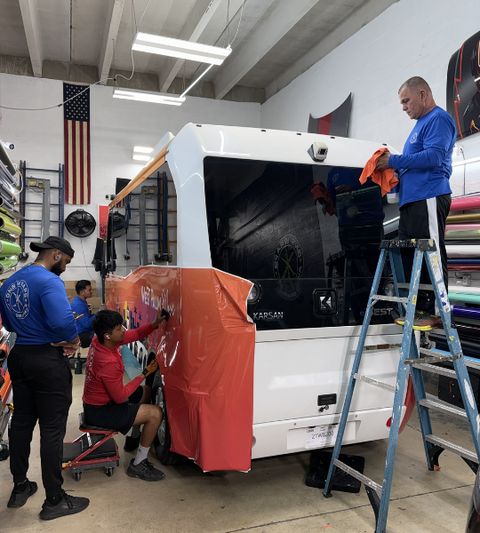
If you have ever had a wrap installed during the summer, you already know the heat makes the process more challenging. Vinyl becomes stretchy, adhesives soften, and installers need to constantly manage surface temperature. The dry season takes away most of those struggles.

Winter temperatures in South Florida hover in a range that vinyl manufacturers consider ideal. Cars sit at a reasonable temperature in the sun. Panels cool down quickly in the shade. Installers are able to apply vinyl without fighting expansion or contraction. Even better, the adhesive layer settles more predictably, which helps prevent lifting around edges and contours.

Because humidity is lower, vinyl cures faster and more cleanly. The material releases tiny pockets of air under the surface more efficiently, and installers can finish prep work with less waiting time between steps. Many shops consider winter the prime installation window simply because everything behaves the way it is supposed to.

If someone plans to get a full-color change, a commercial wrap, or any specialty film, scheduling during the dry season gives the wrap its best possible start.

Seasonal Wrap Care: How to Maintain a Vehicle During Cooler, Drier Months

Summer in Florida almost takes care of itself when it comes to rinsing your vehicle. Between rainstorms and high humidity, the surface of a wrap rarely stays dry. When winter hits, that natural rinse cycle disappears. Dirt and dust stay on the vehicle longer and settle into the texture of matte or satin films much faster.

A simple maintenance routine goes a long way. The goal during winter is to reduce dry buildup and keep the wrap protected from sunlight while air is crisp and cooler.

Light Weekly Cleaning

A quick rinse once a week works well during the dry season. Dust from the road, pollen from nearby trees, and general roadside debris all collect more easily when there is no afternoon rain. A short rinse removes the surface layer before it can settle into the vinyl.

Filtered water helps avoid spotting. A microfiber towel prevents streaks on gloss finishes and keeps matte or satin films from developing shiny patches.

Deeper Cleaning Twice a Month

Every couple of weeks, a full hand wash keeps the wrap looking fresh. Automatic washes with brushes are not ideal because they can scuff vinyl, especially around edges. A pH-neutral soap made specifically for wraps keeps the film clean without stripping its protective layer.

Straight movements with a soft wash mitt reduce the chance of light swirl marks, especially on darker colors or specialty finishes.

A Layer of Protection Each Month

Even though the air feels cooler in winter, the UV index stays high in Florida. Adding a vinyl-safe sealant once a month protects the wrap from sun exposure and makes it easier to clean through the rest of the season.

Some drivers prefer ceramic coatings designed for vinyl because they last longer and resist contaminants well. Others choose spray sealants for convenience. Either option works as long as it is vinyl-safe and does not contain petroleum-based ingredients.

These small steps protect the wrap through the dry season and prepare it for the return of summer heat.

What to Check at the Beginning and End of the Season

A quick inspection at the start of the dry season helps catch early signs of wear from the summer months. Heat can cause minor lifting around edges or tight curves, and getting those areas corrected early prevents bigger issues later.

Looking over the wrap again toward the end of the season is equally helpful. By spring, the wrap has gone through months of cooler mornings, warm afternoons, and dry air. Cleaning off built-up dust, refreshing the top coat, and tightening any edges prepares it for a hot, humid summer ahead.

This seasonal routine keeps a wrap looking good not just for months but for years.

How Specialty Wraps React to Winter Conditions

Color-shift, iridescent, metallic, and high-gloss wraps respond differently to winter light. The sun sits lower in the sky, which changes how colors reflect and shift across the surface. Many drivers actually prefer how these wraps look in the dry season because they stay cooler and reveal cleaner, sharper gradients.

These specialty films need gentle cleaning because their finishes are more delicate. Consistent washing and protection help preserve their clarity and reflective qualities. Specialty wraps tend to show dust sooner than standard finishes, which makes weekly care even more helpful.

Tips for Wrapped Vehicles That Stay Parked Outside

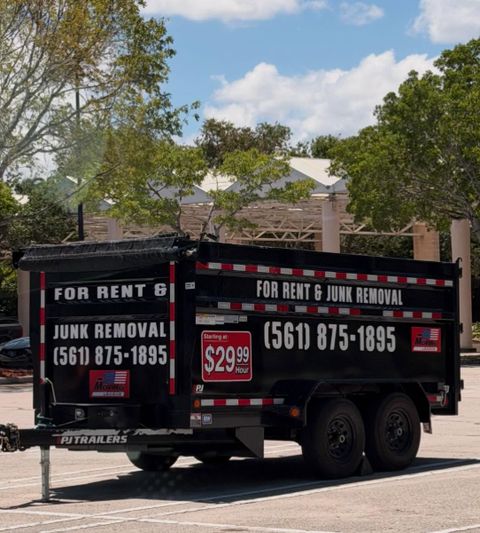
Many wrapped vehicles spend their days outside, so protection is important during the dry season. A breathable car cover keeps dust from collecting on the wrap. Parking away from trees avoids sap, falling leaves, and bird activity. A shaded area helps preserve color even when temperatures feel mild.

These simple habits can reduce wear and help the wrap hold its appearance over time.

Why Winter Is the Perfect Time to Refresh, Maintain, or Upgrade Your Wrap

South Florida’s dry season creates ideal conditions for vinyl wraps. They stay cleaner, cure faster, and face less moisture-related stress. The weather is perfect for new installations, repairs, and maintenance. Dust and dry air bring new challenges, but they are manageable with a simple routine.

If you are planning a color change, a specialty finish, or a refresh on an older wrap, winter often produces the best long-term results. Wraps installed during the dry season tend to age more gracefully and require fewer adjustments early on.

Ready to Update Your Wrap for the Season?

If you want professional help getting your vehicle ready for winter or you are thinking about a new wrap entirely, you can explore more options by visiting gns wraps.

This error message is only visible to WordPress admins
There has been a problem with your Instagram Feed.

Contact Us

  • 561.502.2605
  • 7400 Georgia Ave. Suite C
    West Palm Beach, FL 33405

  • Your information is confidential and will not be shared

  • 561.502.2605
  • 7400 Georgia Ave. Suite C
    West Palm Beach, FL 33405